Showing posts with label About Bad Breath. Show all posts

21 November 2009

Three types of Bad Breath

Bad Breath is known as an unpleasant odor that comes out from the mouth while breathing. There are there different types of bad breath. Each type has its reasons and thus requires different remedies.

1. Temporary bad breath:

It's the type that is commonly caused by dry mouth, poor hygiene, certain types of food and/or smoking. The best treatment for that type is to drink a glass of water to moister the mouth, to chew gum, use breath mints or/and breath spray. The prevention for that type of bad breath include proper cleaning and brushing 2 to 3 times daily or after each meal, regular flossing and a change in food consumption.

2. Morning breath:

It's the type which occurs first thing in the morning as individual opens his/her eyes. Causes of that type include the dryness of the mouth during night. Bacteria that cause the foul odor in this type can be treated by brushing the teeth and the tongue to rid of the bacteria then having good breakfast and then using mints or chewing gum.

3. Chronic bad breath:

It's often caused by certain medical conditions, medications and/or oral buildup. Unfortunately for many who suffer from chronic bad breath due to an illness or necessary medication, the only plan of action against bad breath is to mask the problem as effectively as possible. The sufferer in this case must visit the dentist regularly for help to solve the problem.

19 August 2009

Free Yourself from Bad Breath

When you know you have a bad breath, and it's keeping you from socializing or interacting with other people because you fear that your bad breath will blow people away; then get rid of these fears. You are not the only one suffering from it. It is a very common problem and can be caused by very minute problems like not cleaning your teeth properly, digestion problems, smoking, and more. In medical terms it is known as halitosis.

Causes of Bad Breath:

Some of the main causes of bad breath are:

• It is caused by a particular type of bacteria which resides on the soft tissues in the mouth, mainly the back of the tongue. These bad breath bacteria reside under a blanket of mucous. Dead bacterial cells produce sulfur gases which causes the bad odor. Unfortunately, no mouthwash can clean these bacteria, no matter how frequently you use it, and toothbrushes are also of little help.
• Food debris which accumulates on the back of the tongue cause bad odor.
• Poor oral hygiene also leads to bad breath. If you do not wash your mouth properly after eating, the food particles in you mouth can rot and start to smell. They begin to collect bacteria which cause the bad odor.
• Our teeth attract bacteria containing plaque very easily, so if we do not brush our teeth regularly and thoroughly, large amounts of bacteria get accumulated, which results in bad breath.
• If you have periodontitis then you may often experience bad breath, as the bacteria get accumulated in areas that are not cleaned easily, such as deep pockets around teeth.
• Drinking alcohol and smoking.
• The decrease in saliva may also be the cause. When you are sleeping, the flow of saliva almost stops. Thus the reduced cleaning action of the saliva allows bacteria to grow, causing bad breath
• Bad breath is also seen in people who are dieting. The fact is that when you are not eating, the saliva decreases and bacteria growth increases; causing bad breath.
• Dehydration will lead to dryness of the mouth, and the reduced cleaning action of the saliva will allow bacteria to grow, causing bad breath.
• Other infections in our body, especially in the sinuses, lungs, or throat can also cause bad breath.
• Diabetes mellitus, kidney failure and malfunction of the liver.
• Metabolism disorder is another factor causing the odor.
• Gum infection which may cause a metallic breath odor.
• You may also experience bad breath when fasting, as your body is not provided with fuel in the form of food, and so fat and protein will begin to break down resulting in bad odor.

Treatments:

It is advisable to go to your dentist for your treatment. The various treatments involve:
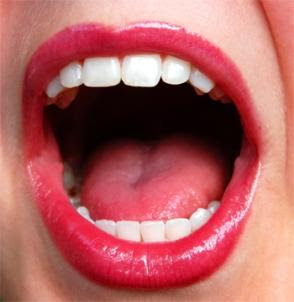


• A complete oral examination and health history. The dentist may ask you to have an "odor-meter" test done. This test can accurately measure the volatile sulfur gases and the extent of a halitosis problem.
• Periodontal disease and cavities would be treated.
• If there is an impacted tooth it would need to be removed, and other oral infections would be treated.
• Good oral hygiene is a must. Mouth washes and toothpastes are effective in managing oral odor. You must ask your dentist for a product that may be helpful to you.

These are some oral hygiene tips that you must follow to get rid of bad breath:

• Use floss at least once a day
• Watch your diet. Eat plenty of fruits and vegetables.
• Avoid alcohol and smoking.
• Do not skip meals as decrease in saliva will cause bad breath.
• Always clean your orthodontic appliances at least once each day. Pieces of food and germs can collect on these appliances and cause bad breath.
• Have regular dental checkups.

If you are not sure if you have bad breath, the best thing is to ask your friends for their honest opinion. Follow these routines and you will be free from bad breath!

18 August 2009

Myths about Halitosis, Bad Breath

Until recently, most treatments have been generally unsuccessful in resolving bad breath conditions. Common treatments such as mouthwashes, mints, chewing gums, mouth sprays, and intestinal cleansings otherwise known as colonics, are simply inadequate. There are many websites offering “magic” breath products. Of course, these are a waste of money.

Serious, persistent, chronic bad breath is now very much treatable. Unfortunately there are many myths surrounding the causes of halitosis and its proper cure. The following are the most common misconceptions about halitosis and how to treat it. I answer these questions all the time.

Here are the most common myths:

1. Halitosis comes from the stomach.
Only in extremely rare cases does this occur. Cleansing the intestines offers no benefits in treating halitosis.

2. Halitosis comes from the lungs.
Only rarely does this occur and can be a manifestation of a serious disease.

3. Halitosis is a hereditary problem.
This is absolutely not true. Certain conditions that can contribute to a bad breath condition can be hereditary, but there is no halitosis gene that can be passed on to an offspring.

4. Mouth washes and breath mints can help a breath problem.
This is not true. They only mask the problem for a few short minutes at best. Alcohol based mouthwashes in fact will worsen the problem because they dry out the mouth thus increasing the volatilization of breath odors.

5. Internal breath fresheners can help my problem.
These do absolutely nothing for a chronic halitosis condition.

6. Brushing my teeth more will help eliminate my breath condition.
This is also not true. Excessive brushing can dry one’s mouth, thus increasing the halitosis problem. Excessive brushing can also damage the teeth and gums over time. It is very difficult to remove the specific odor causing bacteria with brushing and flossing alone, and most patients we see at our centre tend to have very good oral hygiene.

7. Halitosis is caused by foods.
Foods such as onions, garlic, or cauliflower can induce certain odors but these are only transitory, and can be easily eliminated by avoiding that particular food. The odors they produce also are not of the “sulphur” type commonly seen in true halitosis conditions, and generally are not as offensive.

8. There is no treatment for halitosis.
This is absolutely not true as we have been 99% effective with thousands of patients. Patients can treated via telephone and product sales via the internet.

17 August 2009

Important Things About Bad Breath


- In most cases (about 90%), bad breath comes from the mouth itself.

- Despite public opinion, bad breath rarely comes from the stomach.

- Most people can smell other people’s breath, but have trouble smelling their own. So, if you think you have bad breath, you might or you might not. Bad taste is usually not a good indication. The best and simplest way to find out is to ask an adult in your family or a close friend.

- In the mouth, the most common source of bad breath is the very back of the tongue. Food debris, dead cells and postnasal drip can accumulate there, and the breakdown of the proteins by the resident bacteria causes foul odor. The second most important cause is bacteria breaking down protein between your teeth. By the way, the gases and other molecules that the bacteria produce are toxic and can harm your gum as well.

- Bad breath usually increases when the mouth is dry. Chewing sugarless gum for 4-5 minutes at a time can be helpful.

- The generalization that mouthwashes work for only a few minutes is wrong. Try gargling right before bedtime for best results. Some researchers recommend alcohol-free mouth rinses.

- Eating a hearty and healthy breakfast cleans the mouth and back of the tongue, gets the saliva flowing, and is probably good for you.

- In the large majority of cases, bad breath can be dramatically improved or eliminated.

- Children can have bad breath from postnasal drip, dental plaque and transient throat infections.

16 August 2009

Halitosis - A Foul Smell From Your Mouth


Halitosis also known as bad breath is one of the problems which many people face. It gives out a disgusting feeling when you encounter such a person with bad breath. The origin of the word halitosis is derived from a Latin word. Bad breath as we must have learnt in school is that, if we do not brush our teeth properly they will rot due to the bacteria.

Rotten food in your mouth just makes things worse. But this cannot be the only reason for bad breath. The lung abscess at the time of bronchitis also causes bad breath. Some of the serious illnesses give out different kinds of odor. Conclusions have been drawn for the bad odor is due to poor digestion too.

Saliva plays a very important part in keeping the odor under check. Saliva regulates the odor by washing away food particles and other unwanted junk which creates bad breath. Morning breath usually smells as the salivary glands become sluggish leading to a bad breath. This would help if you have a proper breakfast and the people who skip their breakfast please beware.

Certain foods also cause bad breath such as onions, coffee, and garlic. Too much spice also creates bad odor. Some of these smells may not leave your breath even after 72 hours of digestion. So reducing the intake of these products may help in some form and you may have a much tolerable breath.

Some of the common and basic things or rules you can follow to have a good breath are:

* Brush regularly
* Use dental floss or mouthwash, if that helps
* Go to your dentist at least twice in year to get a thorough check up
* Clean your mouth after eating or drinking milk products
* Chew sugar free gum to moisten your mouth
* Eating fresh and fibrous vegetables would also help
* Drink plenty of water or fluids (which excludes coffee, tea and other sugar added drinks)
*Avoid alcoholic drinks to prevent bad breath

Facts About Bad Breath

We have all had an experience where you have been required to speak to someone and you have been unable to concentrate on their response because of their bad breath. The medical term for this condition is known as halitosis and there can be a number of causes for it. However, the end result is always the same and it can be described as the presence of foul smelling gases in exhaled air.


So, what causes this to happen? Well, there are two main types of halitosis and one is easier to explain than the other.

1- The first type is called transient bad breath and this can be caused as a result of a number of factors. Having a dry mouth, which can be due to thirst, stress or nerves, can cause bad breath as can certain food stuffs. Strong smelling food such as garlic, onion or other heavily spiced dishes can linger on the breath of the person who consumed it. Smoking is another factor which can cause bad breath and poor oral hygiene is a sure way to halitosis.

Saliva is able to kill a certain degree of bacteria in the mouth but it does need to be helped by the use of toothbrushes, toothpaste and mouthwash. The most common form of transient bad breath is commonly known as morning breath. This occurs as a result of your mouth remaining relatively still for a long period of time and so your saliva production is slowed drastically and the bacteria build up overnight. Brushing your teeth in the morning removes the bacteria and so removes the odor.

2- The second type is the chronic bad breath which is a more serious condition and it is persistent and difficult to treat. It can affect up to 25% of the population and is caused as a result of certain types of bacteria being produced in excessive amounts.

For many, bad breath is seen as something comical and people who suffer from it are ridiculed and avoided. However, for the sufferers themselves it can cause real psychological difficulties. Many find it difficult to form relationships and even to speak to people as they are conscious of the odor. They can become very depressed and withdrawn.

For those whose bad breath is of the transient type, many things can be done to rid yourself of it. It is known that the majority of smells come from bacteria produced by food debris which is trapped in the mouth. Following a good oral hygiene routine, including brushing and flossing these pieces of food and so prevent the bacteria from building up. Using mint flavored mouth washes, chewing gum and lozenges can mask the problem briefly but do not rid the cause permanently. However, if you are on the go they can be beneficial until you are able to clean your teeth thoroughly.